Brené Brown
Vulnerability and creativity
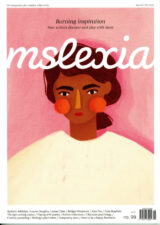
Every now and then I give you a round up of snippets from writing journals. Time for the next one, methinks, but on this occasion with a slight twist, because in three Mslexia issues one theme jumped out at me – vulnerability; so my post centres around that theme.
American writer, researcher, storyteller, Brené Brown, who spent twenty years studying courage, vulnerability, shame and empathy, believes that sharing one’s experiences and intimate fears and feelings is a healthy way to build resilience in the face of adversity. Assorted Mslexia writers have certainly shared their susceptibilities and frailties in these journals, and I commend them all for exposing themselves in this way. Sometimes writing has helped them find a meaning and way through difficulties; sometimes simply sharing their emotions in a safe place has been therapeutic. Whatever their motive, it’s helpful for us readers – and perhaps especially fellow-writers – to learn from their experiences.
I’ll simply catalogue the hurdles these brave women are leaping or facing (no links because most don’t have an online presence).
 Spring issue
Angelina Nizzardi – is parenting a child with ‘autism, ADHD, anxiety, developmental delay, cocooned in a blanket of rare chromosomal complexity’ and finding cracks of time to write.
Sarah Jane Potter – is living with chronic severe pain and unable to sit following a stroke in her 40s, but writing is sufficiently important to her that she often writes standing up.
Katherine Rundell – it was the death of her sister when Katherine was ten that started her career of writing children’s fiction featuring characters who suffer hardships in early life, sharing deep seated emotions in a clever way.
Jennie Agg – had four miscarriages and has written about her personal experience, but using her research as a health journalist to illuminate the issues.
 Summer issue
Amélie Padfield – found creative writing helped her recover from grief overload when a dear friend and her sister died within 3 months of each other.
Yvonne Reddick – the loss of her father inspired much of her poetry, mapping out a geography of grief for both her father and the planet.
Anna Vaught – concluded her series expressly for vulnerable writers, whether they’re dealing with mental health issues, thwarted expectation, or negativity in some shape. As she says: As a vulnerable author you are not alone! Indeed.
Helen McClements – had to find a way through a terrible accident on a mountain on the other side of the world which left her badly injured and her boyfriend dead. Her moving prose makes the reader wonder how much of the prying journalist is in us too.
 Autumn
Lynsey Patterson – suffered brain injury after falling out of a high 4-wheel drive in Australia. She suffered from severe pain, headaches, dizziness and sickness. Writing was part of her life from childhood; now she has to retrain her brain to do what came so naturally before the accident.
Sian Meades Williams – as a freelance writer, she worked absurdly hard, postponed relaxation and rescheduled fun until she burned out. She learned the hard way to prioritise her own wellbeing and bring excitement and confidence and real creativity back into her life.
Academic and cultural commentator Celia Brayfield tells us that it’s well known that writers have more mental health challenges than other artists … hmm, I wasn’t aware of that fact. But reading all these submissions I recognise that authors have a unique opportunity to work at resolving their own traumas as well as comforting and encouraging others dealing with big issues in their live, and I salute all of the above for doing just that.