family saga
Neurodivergence
This week is Neurodiversity Celebration Week, so it seems appropriate to share my experience at a conference down south which I attended this weekend. I was blown away by a brilliant workshop on neurodivergence. The very well-informed leader combined knowledge with real understanding and personal experience, bringing the issues vividly to life. I actually know quite a number of people who are neurodivergent (approx 1 in 7 of the population), but I learned a lot and hope to be more aware and sensitive in future.
The experience also made me reflect on the value of story in helping us to understand different life experiences. The course facilitator used examples from her own home life to excellent effect, but two fictional dramas also sprang to my mind, both of which highlight autism. (Click on the pictures for the official trailers)
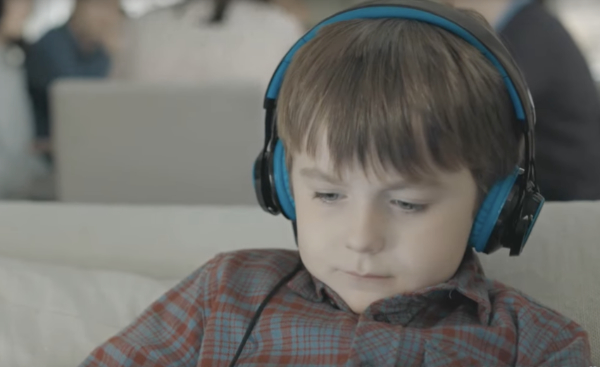 The A Word centres on a little boy – Joe Hughes – and his family adjusting to life with his differences.
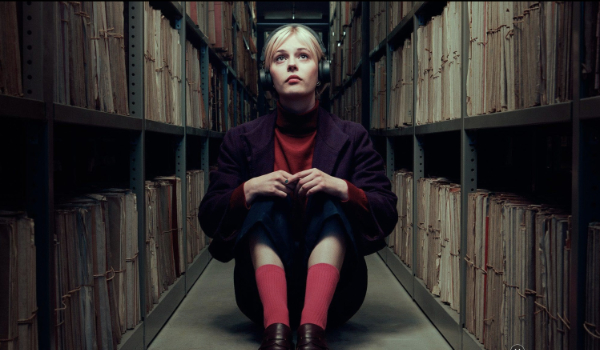 And a Belgian/British detective drama, Patience, features an older main character – Patience Evans – who utilises her unique skills to solve crimes.
With facts and figures and lists of behaviours fresh in my mind, I’m valuing in a new way the attention to detail script-writers and actors bring to the table.
If you’ve met one individual with autism,
you’ve met one person with autism.
(Dr Stephen Shore)
Obviously no two people with autism are the same but some of the main features emerge clearly through these dramas: obsessive tendencies, deep special interests, sensitivity to noise, fear of criticism or being wrong, difficulty interpreting body signals and struggles with interaction, thinking outside the box, obsession with rules, love of puzzles, brutal honesty. And in both productions, the potential to misunderstand and compound the problems and get it so wrong, are highlighted.
I take my hat off to the teams behind such works of fiction for their sensitivity, awareness and courage tackling such tricky topics, and highly recommend both of these programmes.
Psychological thriller meets family saga
Ever since I decided to write one myself (Killing me Gently) I’ve been fascinated by the structure of, and driving force behind, psychological thrillers. Family sagas tick another of my boxes.  Plus I’ve read Louise Jensen before, so The Fall caught my attention when it came out recently. It’s set against the background of the effects of Brexit, the pandemic, and the current economic instability, which makes it feel real and immediate.
Beth and Kate are 40 years old, and identical twins. They both have 15-year-old daughters who have been inseparable … until a secret drives them apart. Now one of them, Caily, is in a coma in hospital following a fall from a bridge. The police think she was pushed – her cousin’s DNA is under her nails.
But everyone in the family is harbouring a secret. Some of them dread Caily recovering consciousness. What will she remember? What did she know that put her in such danger? Will relationships survive if she regains her memory; if she talks?
Someone is leaving gifts for her. How are they getting in? Why bring her bloodied ballet shoes into hospital?
Where has the handsome farmhand Travis gone so suddenly? Why does he reject Caily’s interest so violently?
Who are these men who lurk in the shadows, and drive Range Rovers, and threaten people in their own homes?
The story is cleverly conceived and skillfully unravelled, and I did like the echo in the first line of each chapter of the last line in the preceding one. Other stylistic choices niggled me somewhat, but hey, this author has had considerable success, so she’s allowed some idiosyncrasies. And she certainly kept me guessing as one after another character came under the spotlight with their guilty secrets and mixed motives and reasons to fear Caily recovering her memory and speech. A page-turner and a salutary tale about the impact of deception and lies on relationships.