Forgive Me
Restorative Justice
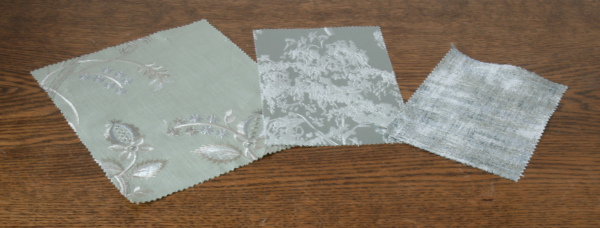
Odd isn’t it how often something in fiction jumps out at you because it resonates with things happening in your real life? I’ve been searching for the right fabric for curtains for the dining room for some time now and have recently whittled the choice down to three swatches. This is the week of the final decision.
So, one of the main characters in Forgive Me by Susan Lewis instantly took on an extra dimension for me. Rebecca is artistically gifted in interior design, and runs a very successful business in Kensington. Her second husband, Marcus Huxley-Brown, is a handsome and powerful man, a financier, son of a former trade minister. But behind the facade her life is a nightmare because Marcus turns out to be both abusive and controlling, destroying her confidence, and leaving her terrified of the repercussions if she steps out of line. When he’s eventually sent to prison for multiple counts of fraud and insider trading, she sees her one opportunity to escape and she seizes it, taking her daughter Cara and an attache case full of money and incriminating documents.
 She leaves behind all evidence of their London lives, adopts a new name, Claudia Winters, renames her daughter, Jasmine, and is aided and abetted by her mother, Marcy, who sells up and moves in with them. It’s a new life in a pretty place in Somerset, far from her old home in London, but… she’s constantly looking over her shoulder, knowing that Marcus will have men paid to hunt her down. His pride will not suffer her desertion lightly. When they buy up a beautiful but rundown Georgian coach-house, I could relate to Claudia’s delight in restoring it to its former glory. I was choosing the fittings and fabrics with her!
The local people are friendly and welcoming and in spite of her terror, she’s drawn into their company, and warm friendships build. Word of her skills travels and she is soon inundated with work, and well integrated into this new social circle. Gradually she begins to relax her guard.
She even manages to explain away the vague sense of someone having been in the house as the remnants of her paranoia. But when petrol is thrown through the front door and the house torched, all her old guilt and terror return. She knows Marcus is behind this but who did he pay to commit this atrocious deed? She convinces herself it’s all her fault that Marcy is terribly burnt in the fire: she was the one who married this monster; she was the one who dragged her mother into this secret life; she was the one who allowed her mother to be alone in the house nursing a cold while she went to her daughter’s concert rehearsal the night the arsonist struck. She can never forgive herself.
Her new friends, who include lawyers and detectives, do their best to support the family but Marcy herself is crushed by the shock and horror of her trauma and the serious disfigurement she will have to endure for the rest of her life. She retreats into herself. But one of the lawyers, Dan, seeing the devastating psychological impact, uses his professional expertise in an effort to coax Marcy out of the dark place she has shrunk into. He runs a process called Restorative Justice designed to bring the perpetrator of a crime together with their victims, and he begins to work with Archie, the nineteen year old arsonist who has lived a deprived and crime-ridden life, encouraging him to write to Marcy.
 It takes time for Dan to feel that these letters would be helpful for Marcy, so he stores them up until he sees the evidence of Archie forming a relationship with her in his mind, caring about her, and expressing genuine remorse. Claudia has serious reservations about the whole idea; she is full of rage and wants nothing but retribution for this youth who has wrecked her mother’s life. But Marcy has her own ideas, and little by little she comes out of her dark place and is intrigued by this boy who has led such a sorry life.
Her forgiveness and compassion are redemptive for Archie, and the two establish a firm bond which transcends class and culture, trauma and retribution.
It’s a warming tale of goodness and forgiveness triumphing over evil, but the most moving parts are Archie’s letters, interspersed throughout the book with the narrative of Claudia’s life, and the insights into Marcy’s innate kindness and generosity of spirit. There’s a little too much improbable romance for my taste, but the core elements of the Restorative Justice process are fascinating and heartening. Susan Lewis manages to make me care for Archie and his crazy mother as well as for Marcy – the skill of an accomplished author.