women writers
In celebration of women writers
2024 marked the 100th edition of Mslexia, a magazine for women who write, to which I’ve subscribed for many years. So as we turn into a new year, I thought I’d share a few random snippets from the journal, with thanks to all the contributors who researched and wrote about them.
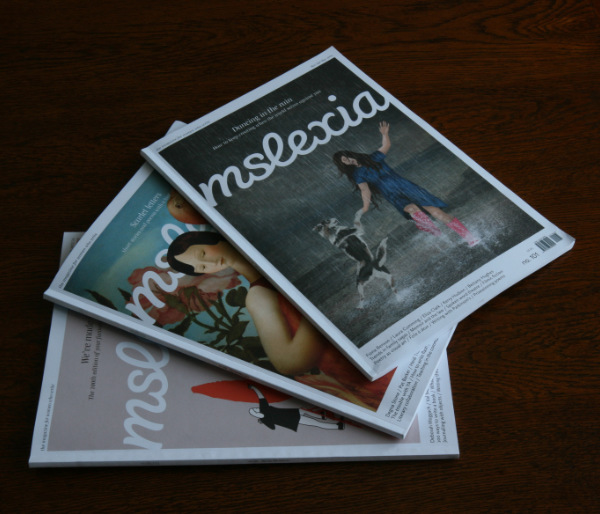
It’s a truth not always recognised that women writers have many extra hurdles to overcome because of their role as caregivers to children and parents, alongside juggling domestic duties and paid employment and maintaining a writing profile, as a number of surveys have demonstrated. But perhaps Ginger Rogers sums it up most neatly: she did everything that Fred Astaire did but backwards and in high heels!
 Martin Amis said his stepmother, novelist Elizabeth Jane Howard, would be busy gardening, cooking, staring out of the window, and then suddenly disappear into her study where she would furiously hammer out her stories for an hour: a ‘think, think, think, WRITE’ routine. But she would have written twice as much as his father Kingsley Amis in a whole day.
We tend to look at established and best-selling authors as having everything buttoned up. But it was reassuring to me to read that crime-queen Val McDermid after 39 novels still says that around two thirds of the way through she loses faith in the novel, the writing feels flat, the plot makes no sense and she wonders why anyone would be remotely interested and read it. Happily she’s a consummate professional and wouldn’t dream of missing a deadline so she ploughs on and regains confidence as she goes.
It’s striking how many writers are willing to expose their own vulnerabilities whether its mental illness, infertilty, abuse, being controlled, losing babies, being bereaved, being financially insecure, abandoning security, being in the public eye, stage fright. I’ve benefitted greatly from their revelations and honesty.
 Mary Wesley published her first bestseller at the age of 71, and went on to write ten more, only stopping at the age of 84. There’s inspiration for you.
Did you know that the mental effort of serious stints of writing entails deep concentration and requires the same kind of nourishment and rest as a strenuous run? My GP did many years ago; he diagnosed my body’s need for extra thyroxine because of the intensity of my work as a researcher/writer, and prescribed accordingly.
Heidi Thomas (screen writer for the long-running TV series, Call the Midwife, has a wonderful philosophy, gleaned from her seven years as a Quaker. It’s Let us see what love can do, because, she believes, so much more can be accomplished by kindness or patience or compassion … The real depth of the show, set in London in the 50s and 60s, comes from a belief in service to others; the secret of its success is sincerity which pervades all aspects of making the programme, and decency. It shows.
 Poet Degna Stone sums up the true value of reading: The characters and their narratives each changed me in some way, And that’s why we read, isn’t it? To experience new ideas that will help us to see the world differently. Or to experience a familiar feeling told from someone else’s perspective.
Author Chioma Okereke puts it slightly differently:
Reading isn’t just a sanctuary from the real world, but a therapeutic activity that enriches our knowledge and provides us with insights beyond our lived experiences … increases our capacity for empathy, through the process of seeing the world through a relatable character.
A whole lot of wisdom comes in my quarterly packages from Mslexia. Here’s to a wiser and more compassionate and peaceable 2025.
Finishing touches
Writing in Mslexia (the magazine for women who write), author Meg Clothier says ‘books finish themselves in their own bittersweet time.‘ Yes, indeed. And to rush the process is to sacrifice security and satisfaction with the end result. I’ve just completed yet another (you may well groan!) revision of my current novel Killing me Gently, and I believe/think/hope it’s almost complete. But even once it’s prepared for publication, I’ll be checking it one more time – for anomalies that may be introduced by the person formatting it, as well as infelicities that show up at this point in the process.
Even at this stage, though, once the actual text of the story has been submitted, my work is far from over. There’s the small matter of strap line/pithy saying for the front cover, blurb for the back cover, relevant information for the cover designer, questions for bookclubs, acknowledgements, reviews/endorsements … each piece of the jigsaw has to be slotted in seamlessly.
 Which brings me to a matter that’s been exercising my mind rather a lot this week. I’ve been reading surveys and articles and opinion columns about women writers, and it’s clear the odds are stacked against us. We are under-represented at most levels and in most areas. It’s notoriously difficult for us to find the time and emotional energy to write, and to prioritise our writing, when our lives are already split between day job and caring responsibilities. It took me years to accept that my writing was important enough to be allocated dedicated uninterrupted time, to respect it as a real job, not something that would always play second fiddle to the demands of others.
 Thankfully I’m at an age and stage now when it’s much more do-able. The older generation within our family have died; the younger ones are standing on their own two feet; my responsibilities for other people are more circumscribed. I’m also fortunate enough to have a partner who shoulders his share of the domestic tasks and supports me in my career (well, most of the time anyway!). But my heart goes out to all those talented people who’re weighed down by the burdens of life, and who feel they have no choice but to let their talents and dreams fall off the edge of their days. If you know any, please do your best to cherish and support and encourage them.
Oh, and by the way, while we’re talking home truths, writing as a career is not the dream job, the leisurely activity, the doddle, many people seem to think it is. The potential health hazards lying in weight for the serious writer are legion: stress, depression, weight gain, anxiety, sleep problems, eye strain, back strain, repetitive strain injury, digestive problems, back troubles, headaches, loneliness, insecurity, disappointment, despair, self-doubt … to name but a few. So how come I’m still obsessed with doing it long after normal retirement age? Because I feel bereft when I’m not writing, that’s why!