Max Johnson
The Story of a Heart
The exquisite engineering of a beating heart has yet to be matched
by anything built by human hands
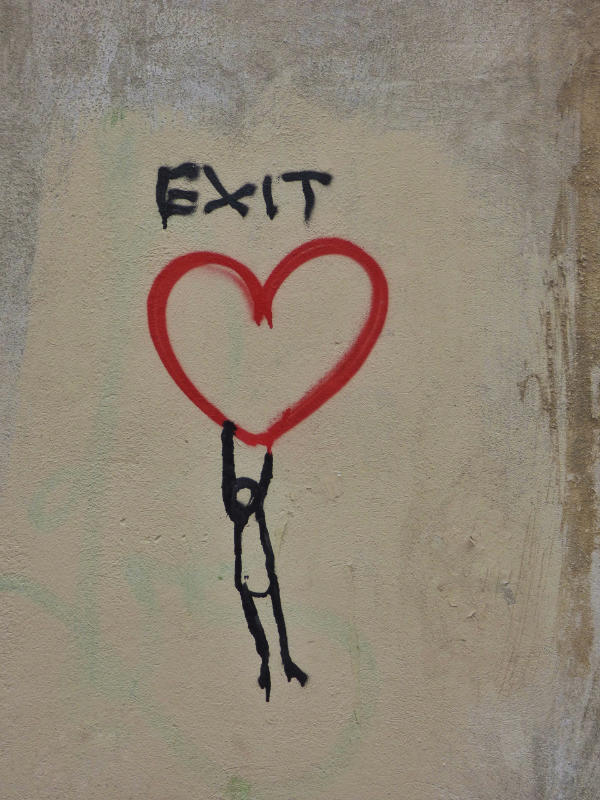
Eight months ago I wrote about Dr Rachel Clarke narrating the story of a young girl, Keira Ball, involved in a devastating car crash in the Westcountry, whose heart was given to a 9 year old lad, Max Johnson, in the north of England.
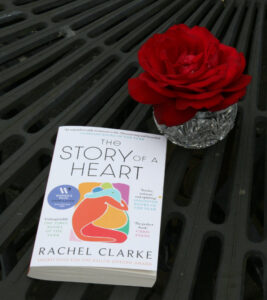 I’ve just been readiing the book from which those extracts were taken: The Story of a Heart. It has been reviewed in glowing terms:
Rachel Clarke is a physician who is also an uncommonly good writer.
Profoundly moving and at the same time wildly inspiring. A beautiful humane book.
This unconventional narrative biography fizzes with respectful, indefatigable and eloquent respect for life.
This is the most beautiful and riveting book: written with such humanity, empathy and knowledge, such tact and drama and eloquence.
And it’s all of those things. The author personally interviewed the families and a number of the principal players in the evolving drama, and the resulting poignant narrative takes us inside their lives, their thoughts, their actions, bringing the whole experience vividly to life…
…the vivacious active Keira, riding her beloved horse, giggling with her sisters, enchanting everyone with her radiant smile. Now, after the accident, still outwardly a beautiful unblemished little girl with golden curly hair and a perfect child’s face, radiant with the promise and potential of youth … luminous. … She looked so perfect, not broken at all.
…an underweight, ashen-faced Max, with huge eyes and white blond hair, his massively enlarged heart making even breathing a struggle, the prospect of simply not waking up at times more attractive than this precipitous decline.
…the essential aloneness of Keira’s dad, Joe, with no one to share the full unravelling horror of his youngest daughter’s prognosis, the awful consequences, the momentous decisions, because his wife is still unconscious in an adult ICU following the accident.
 …the courage and brisk approach of Keira’s 11 year old sister, Katelyn, so utterly confident Keira would want her organs donated. Yet, subtly checking the heart below her hand on her sister’s chest; watching for the least sign of sentience while the doctors test for brain stem function.
…the mounting horror for Max’s parents hearing the scary diagnosis and grim statistics relating not just to his current medical condition but also to the risks associated with heart transplants, success rates, life expectancy, prospects of comorbidity.
…the impact on staff –
the ICU nurse receiving Keira into a small rural hospital in Devon;
the radiologist scanning her brain intimately, confirming unequivocally that all mental activity has ceased;
an unnamed compassionate nurse tucking a teddy, soft and cuddly, in beside Keira’s inert and unresponsive body.
…the harrowing moments for Loanna, Keira’s mum, being wheeled from the adult ICU where she is still recovering herself, to spend uniquely precious time with her little girl for the first and last time.
She was absolutely broken.
…the reverential moment of honour while a theatre full of staff pause to pay tribute to this small person who is giving incredible gifts to other desperately sick children around the country.
…the silent and lonely vigil of Joe, watching from the shadows as his daughter’s precious organs are loaded into a fleet of four ambulances to be driven to the recipients.
He has chosen, simply, to bear witness.
…the surgeon calmly dealing with a powerful arc of blood from an unexpectedly severed artery in Max’s chest while he is disconnecting the damaged heart, the minutes of viability of the new heart ticking inexorably by.
…the abundance of invisible kindnesses that prepare Keira’s body ready for her family afterwards, restoring her from surgical donor back to cherished human being. All the rituals signifying You are loved. You mattered then, and you matter now, and you will matter always, and forever.
 A fusion of pharmacology and engineering has kept the little girl in a kind of limbo, and her organs in an optimal condition; and then maintains that foreign body functioning in the chest cavity of an unrelated young boy. But the language of medicine, though relentless in its detail, omits certain facts. In so many significant ways, Rachel Clarke has captured these softer aspects of dedicated care and respect for life, whilst not neglecting the science. Alongside the personal story of Keira and Max, she weaves in medical information and historical precedences. She pays tribute to those past and present who together have made the miracle of this shared heart possible. And she occasionally dips into the deep ethical questions of the status of patients whose brain stem has ceased to function: are they being kept alive by ventilators or are these machines pumping oxygenated blood around corpses? What defines the essence of life?
It’s a masterpiece, richly deserving of all the accolades and awards it has received.